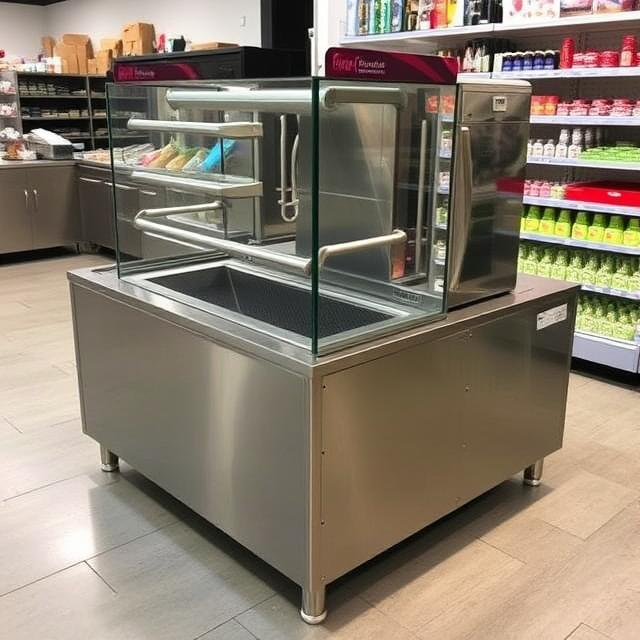
 Display fridges and bottle coolers
Retail displays, cake fridges, deli cases and bottle coolers need clean condenser airflow, correct fan operation, stable controller sensing and reliable door sealing to hold safe product temperatures.
 Fixakitchen
Commercial kitchen repairs Cape Town
FixakitchenCommercial refrigeration repairs
Fixakitchen
Commercial kitchen repairs Cape Town
FixakitchenCommercial refrigeration repairs
Commercial refrigeration repairs Cape Town
Mobile refrigeration fault finding for Cape Town restaurants, hotels, bars, cafes, butcheries, bakeries, delis, retailers and food production kitchens. We diagnose under-bar fridges, display fridges, upright chillers, blast chillers, cold rooms, freezer rooms, walk-in freezers, ice machines and refrigerated trailer systems.
Cold-side fault finding
A warm fridge is rarely just one simple symptom. The fault can sit in the electrical supply, condenser airflow, evaporator fan circuit, defrost system, drain path, door seal, temperature probe, controller relay, compressor, TXV, EEV, capillary restriction, refrigerant charge or heat load from the kitchen. Fixakitchen checks the full chain before parts are replaced.
How the cooling circuit is checked
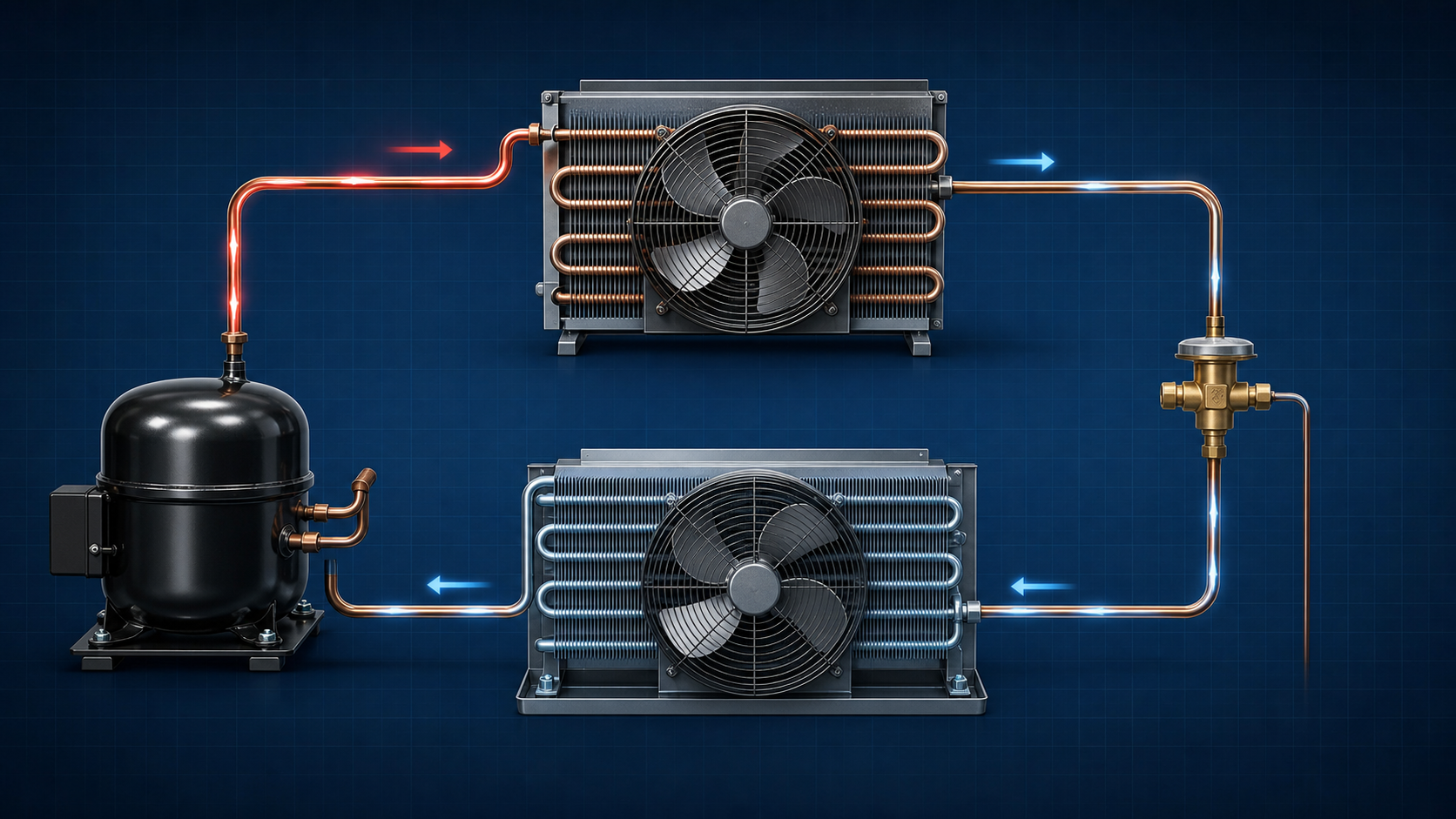
Cooling is not made by the compressor alone. The compressor moves refrigerant, the condenser rejects heat, the metering device controls the pressure drop, and the evaporator absorbs heat from the cabinet or room. If one part of that chain is dirty, starved, iced, restricted, badly controlled or overloaded, the temperature rises even though the machine may still sound like it is running.
We look at temperature split, condenser airflow, evaporator airflow, compressor current, controller logic, defrost operation, probe position, superheat, subcooling and heat load before deciding whether the fault is electrical, airflow related, control related or inside the sealed system.
Airflow, icing and defrost
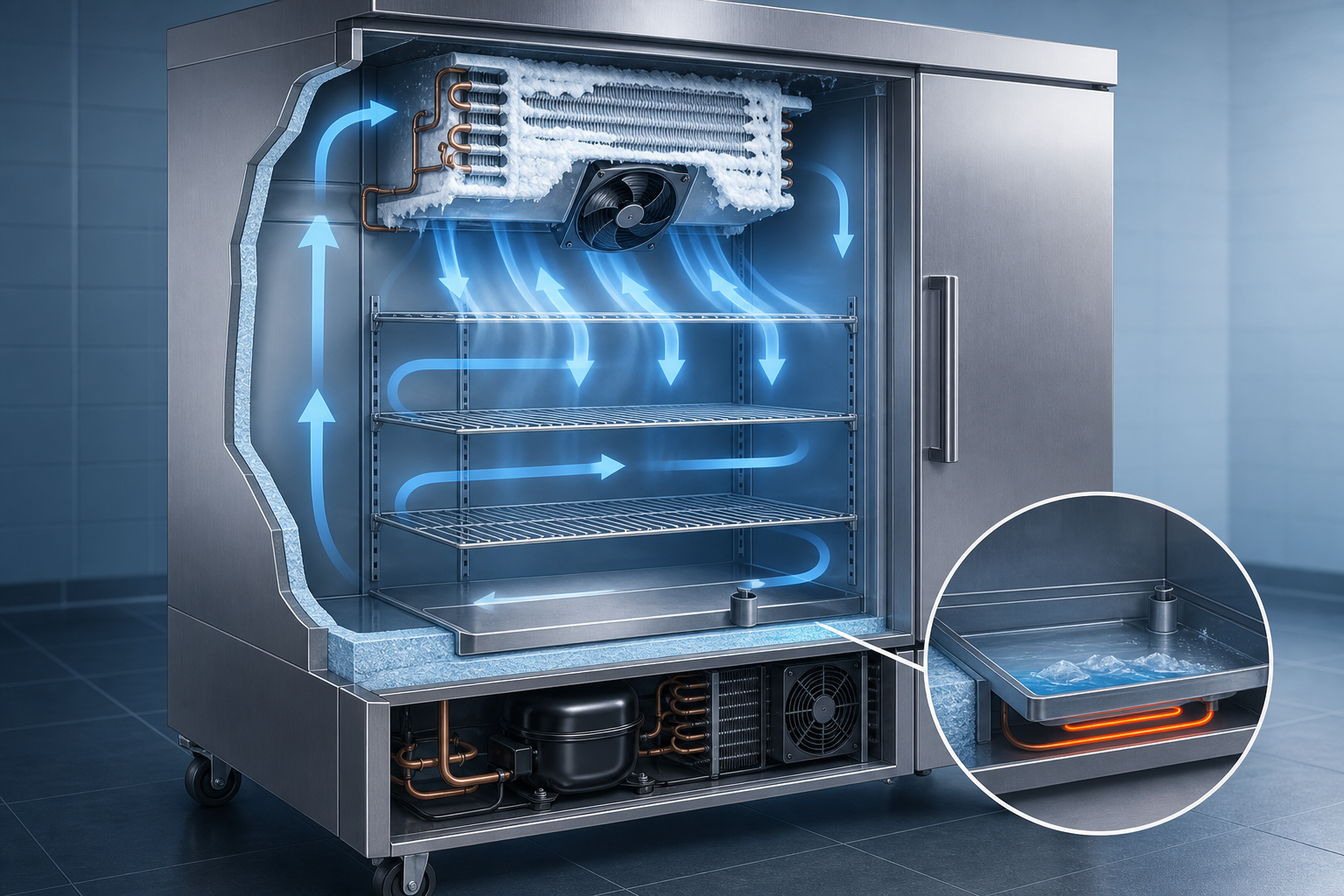
Many warm cabinet faults start with airflow. A blocked condenser makes head pressure climb. A weak condenser fan makes the compressor run hotter than it should. Inside the cabinet, an iced evaporator, failed evaporator fan, blocked return path or faulty defrost heater can stop cold air from reaching the product even while the refrigeration circuit is still active.
This is why we check fans, coils, drain paths, door switches, defrost timers, probe readings and controller outputs before adding refrigerant or condemning a compressor. Airflow and heat exchange are often the difference between a simple service fault and an expensive sealed-system repair.
Equipment we support
Display fridges and bottle coolers
Retail displays, cake fridges, deli cases and bottle coolers need clean condenser airflow, correct fan operation, stable controller sensing and reliable door sealing to hold safe product temperatures.
Airflow, icing and defrost faults
Iced coils, blocked drains, failed fans and faulty defrost heaters can stop cold air moving through the cabinet. We check airflow and heat exchange before assuming the system only needs refrigerant.
Cold rooms and freezer rooms
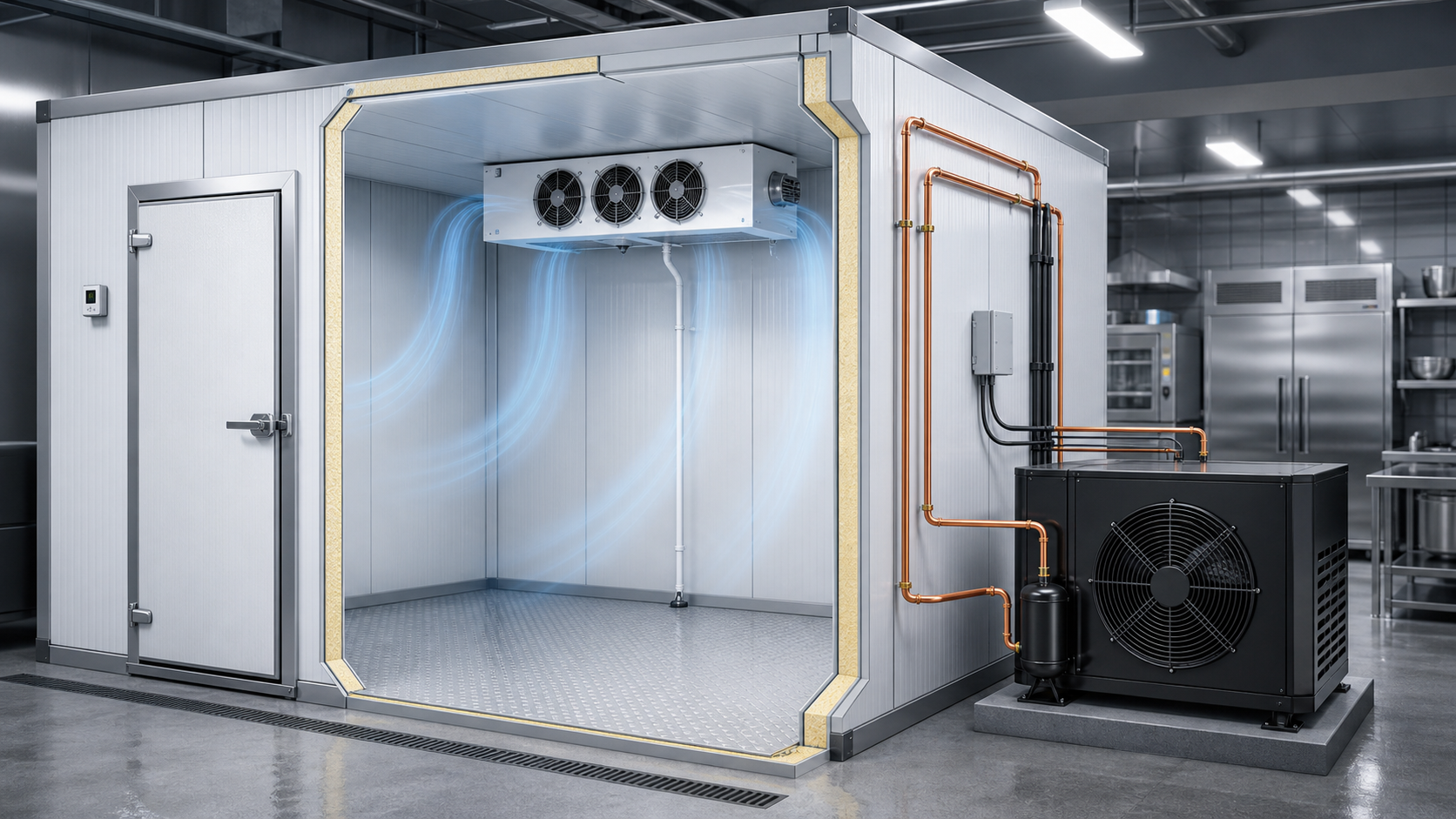
Cold rooms depend on correct airflow, door sealing, evaporator condition, drain operation, defrost timing and compressor capacity. A cold room that slowly warms up may have a fan problem, iced evaporator, refrigerant issue, control fault or heat entering through damaged panels and gaskets.
Compressors, TXVs, EEVs and controls
Sealed-system diagnosis must compare pressure, temperature, current draw, superheat, subcooling, valve response and compressor temperature. Guesswork can replace expensive parts without solving the cause.
Cold room layout science
The evaporator, door, shelving, crates and curtains all affect how cold air moves. When those details are wrong, the room gets warm spots, iced coils, wet floors, long pull-down times and compressors that work harder than they should.
The evaporator must have space to breathe. It should not be tight against the ceiling, back wall or side walls, because the fan needs a clear return-air path and the coil needs service access. Exact clearance depends on the evaporator model, fan throw and manufacturer spec, but the principle is simple: leave enough space behind and above the unit for air to return evenly, drains to fall correctly and a technician to clean, defrost and service the coil without fighting the room.
Black plastic crates are practical, but they must not be loaded up to the evaporator face or packed tight against the walls. Stock should sit below the fan discharge path and leave a clear air lane around the room. If crates block the fan throw, the first few crates freeze or sweat while the far side of the room warms up. A simple rule is to mark a maximum loading height below the evaporator airflow and keep a gap between stock, walls and the coil.
PVC strip curtains are not just a doorway accessory. Every time the door opens, warm humid air tries to rush in and cold dense air spills out along the floor. Curtains break that air exchange into smaller streams, reducing heat load, moisture, fogging and ice build-up on the evaporator. They work best when they hang straight, overlap correctly and are kept clean instead of tied open during busy service.
Sliding doors can save space in tight kitchens and are easier to use where staff move crates or trolleys through the opening. The downside is that the track, rollers and seals must stay clean and aligned. If the door does not close fully, warm air leaks in all day. Two sliding doors or a larger opening can improve access, but it also increases the air exchange when left open, so curtains, door discipline and good seals become even more important.
Contaminated refrigerant recovery
Restaurants, butcheries, bottle stores and cold rooms often run medium-temperature systems where the refrigerant charge has been in service for years. If the system has suffered a burnout, moisture ingress, incorrect top-up, mixed refrigerants, acid formation or repeated leaks, the gas can become contaminated. Recharging over contaminated refrigerant can damage the compressor, confuse pressure readings, reduce cooling performance and make future diagnosis unreliable.
Fixakitchen can assist with controlled removal of suspect refrigerant from medium-temperature commercial systems so the repair can continue on a cleaner, safer basis. The recovered gas is treated as a controlled material: it is not vented, not mixed casually with clean refrigerant and not guessed by smell or habit.
We compare the system data plate, known refrigerant type, standing pressure, ambient temperature and pressure-temperature relationship. Where contamination is suspected, recovered refrigerant is kept separate so it does not pollute clean stock.
Refrigerants have expected density behaviour at known conditions. By checking cylinder tare, recovered weight, pressure, temperature and expected liquid density or specific gravity, abnormal mixtures can be flagged before the system is recommissioned.
A compressor burnout or wet system can leave acid, moisture and contaminated oil behind. The refrigerant recovery step must be paired with correct filter drier decisions, oil condition checks, evacuation discipline and leak testing.
Refrigerant handling must respect SANS 10147, the Pressure Equipment Regulations route where applicable, and the environmental principles behind the Montreal Protocol: recover, contain, document and dispose of contaminated gas responsibly through the correct channel.
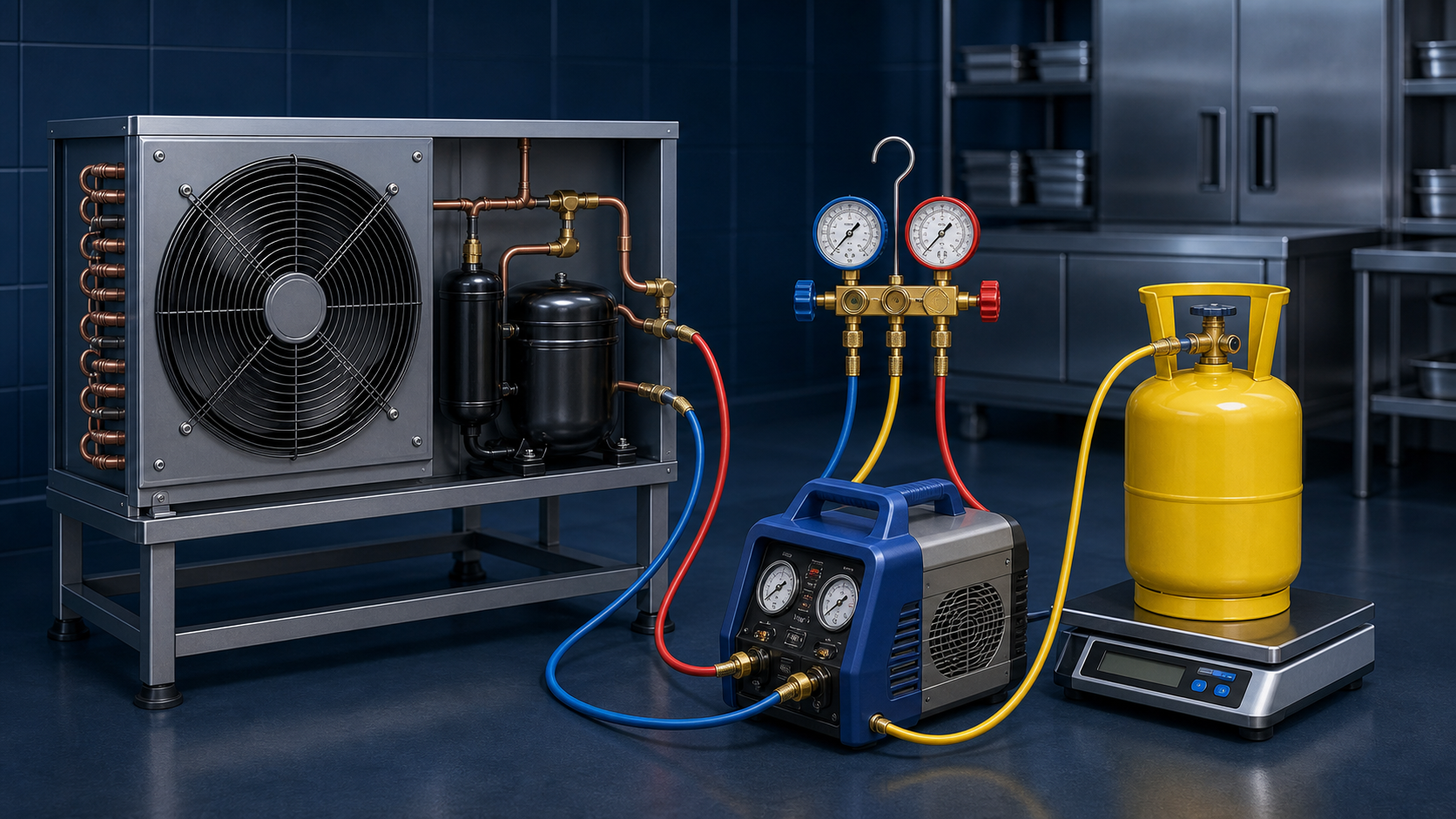
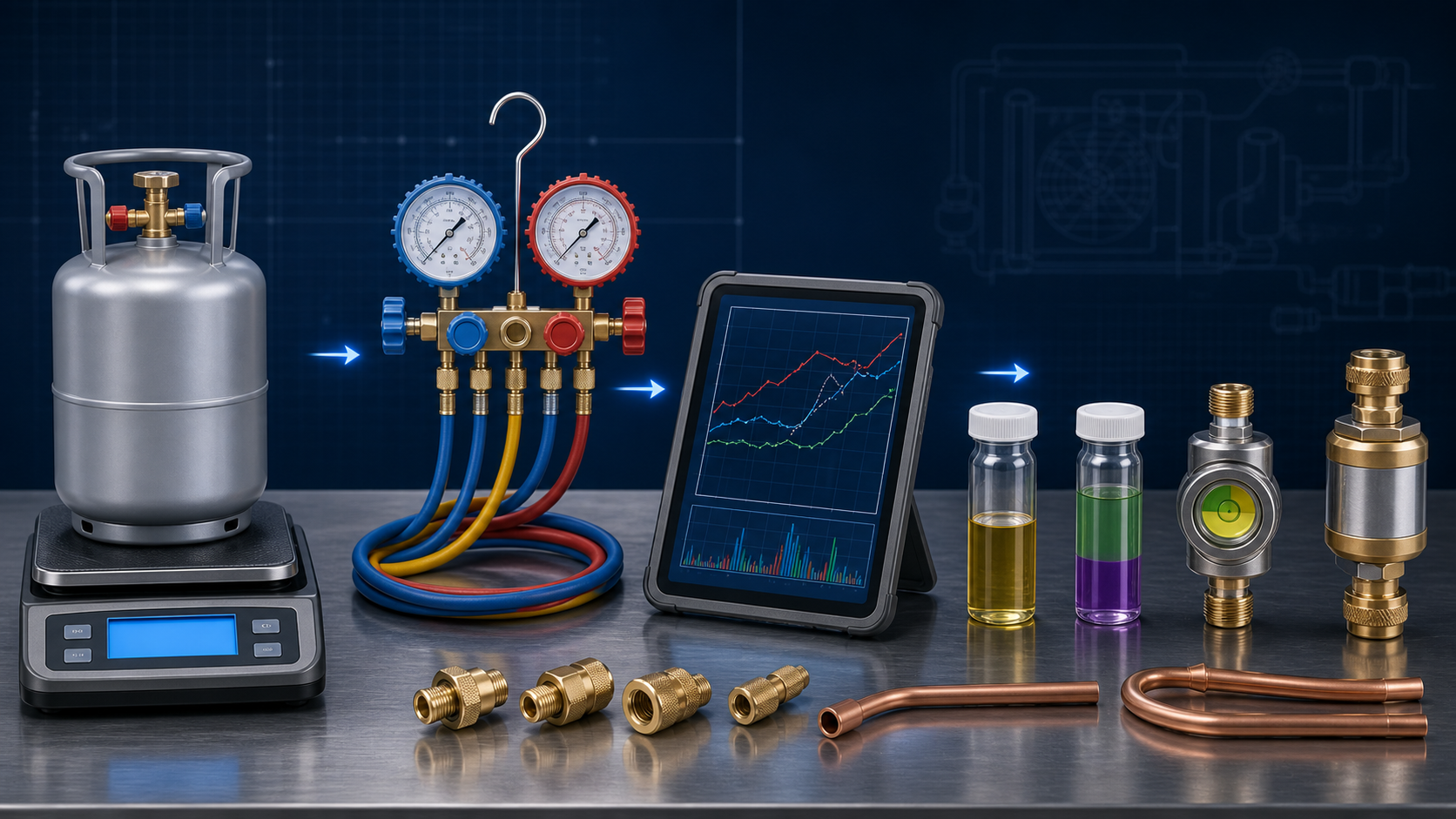
The practical goal is simple: protect the compressor, protect the technician, protect the customer’s stock and prevent refrigerant release to atmosphere. Where specialised reclamation, laboratory analysis or disposal paperwork is required, that is coordinated through the correct approved refrigerant recovery or environmental service provider.
Under-counter and under-bar fridges sit in hot service areas, collect grease and dust on the condenser, and get opened constantly. Poor cooling can be caused by dirty coils, weak fans, blocked airflow, failed probes, door gaskets, controller faults or compressor stress.
Upright chillers and blast chillers need fast heat removal, strong evaporator airflow and accurate temperature control. Blast chiller faults can involve fan speed, door switches, probes, controller logic, defrost behavior and the refrigeration circuit under high load.
Ice machines are sensitive to water flow, condenser temperature, scale, harvest timing and refrigeration performance. Small problems can show up as thin ice, slow production, water leaks, bin sensor faults or a machine that stops completely during hot weather.
An E1-style controller fault often means the temperature signal does not make sense to the controller. The cause can be a bad probe, broken wire, loose connector, wet plug, incorrect probe position, iced coil or a real temperature problem inside the cabinet.
A blocked condenser or weak fan can make pressures rise and cooling fall. An iced evaporator can stop cold air moving through the cabinet even when the compressor runs. Good diagnosis checks airflow and heat exchange before assuming the system only needs refrigerant.
When the sealed system is suspected, pressure, temperature, current draw, superheat, subcooling, oil signs, leak points and compressor behaviour must be tested together. Guessing can waste parts and still leave the kitchen with unsafe temperatures.
Fixakitchen is not positioned as a general household appliance repair shop. However, if a restaurant, guest house, office, cafe or existing business customer has the odd domestic-style fridge or freezer on site, we can assess it as part of business support.
R600a domestic fridge warning
Domestic R600a fridges are efficient, but they are less forgiving when cooling performance drops. R600a is flammable, the charge is small and precise, and a compressor that runs hot while the cabinet temperature rises can suffer oil breakdown, reduced motor cooling and mechanical stress. Isolate the fridge, move stock where possible and book a service call before a primary fault develops into sealed-system damage.
Refrigeration FAQ
Yes, especially if the cabinet temperature is rising while the compressor runs hot. Protect the food load first, move stock where possible and isolate the appliance if it is tripping power, making abnormal noises or showing signs of overheating. Then book a repair assessment.
No. Poor cooling can come from dirty condensers, failed fans, iced evaporators, faulty probes, controllers, door seals, defrost faults, blocked drains, electrical faults or compressor problems. Refrigerant is only one possible cause.
Yes. We assess chiller faults involving airflow, evaporator fans, condenser condition, probes, controller relays, compressor behavior, defrost timing and refrigeration circuit performance. Blast chillers are especially load-sensitive because they must remove heat quickly and evenly.
Yes. We support cold rooms, freezer rooms and walk-in freezers, including evaporator icing, drain problems, door gasket leaks, fan faults, controller issues, compressor faults and expansion valve related problems.
Yes, where the site and fault are practical for mobile assessment. Trailer refrigeration can be affected by vibration, wiring issues, fan failures, defrost problems, door leaks, ambient heat and compressor load.
Yes. Fixakitchen handles mobile call-outs to customer sites. The business is not run as a public walk-in counter, because the team is usually out on commercial kitchen repairs.
Fixakitchen focuses on commercial and business customers. We can help with the odd domestic-style fridge, freezer or appliance when it belongs to a business site or an existing Fixakitchen customer, but we are not a general household walk-in appliance repair shop.