R404A is an HFC refrigerant blend commonly used in low and medium temperature commercial refrigeration. It is made from more than one refrigerant, so correct handling matters. A blended refrigerant should normally be charged as liquid from the cylinder to keep the blend ratio correct. If vapour is charged incorrectly, the mix can shift and the system may no longer follow the expected pressure-temperature behaviour.
 FixakitchenMobile refrigeration field notes
Mobile trailer refrigeration
R404A trailer refrigeration repair science
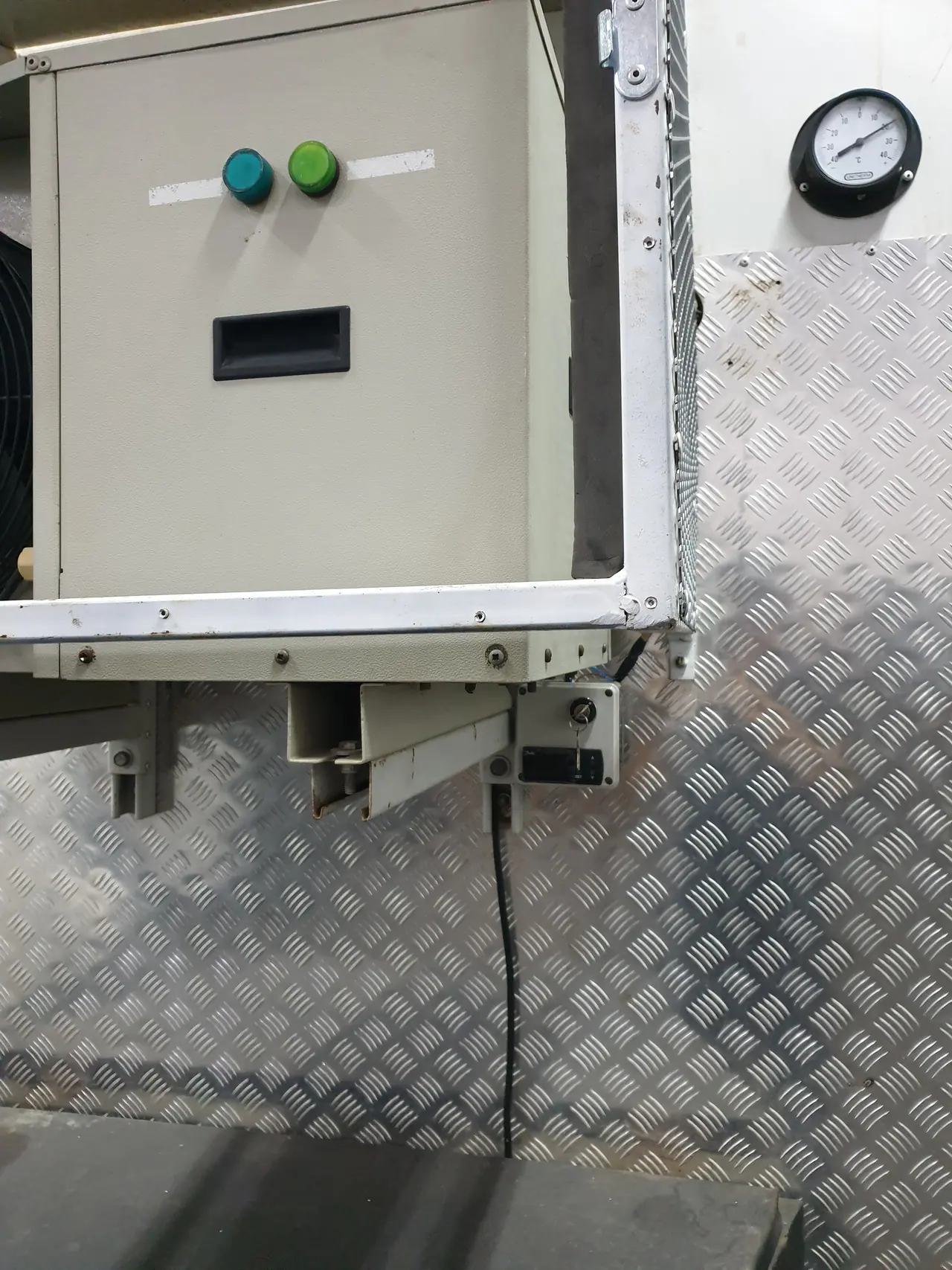
Mobile refrigerated trailers protect stock while the box is moving, parked, opened and reloaded. That makes the refrigeration diagnosis more sensitive than a simple "gas top-up". On this R404A system, the important checks were airflow, condenser condition, electrical load, compressor operation, control logic and the pressure-temperature relationship of the refrigerant.
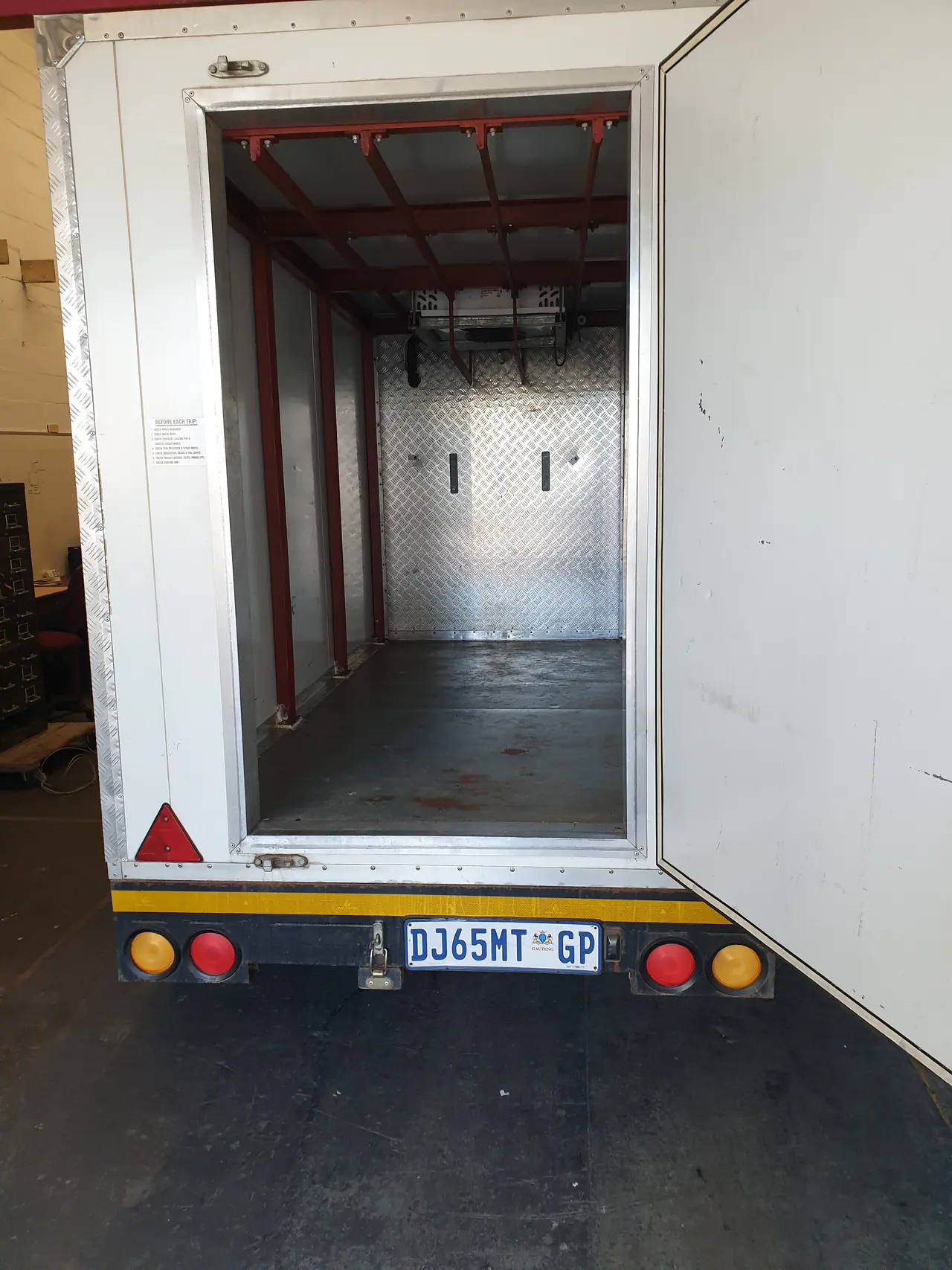
Refrigeration gauges only tell part of the story. On an R404A trailer, the suction and discharge pressures must be compared with pipe temperatures, box temperature, ambient temperature, condenser airflow and evaporator airflow. A pressure that looks "low" can come from a charge problem, but it can also come from poor airflow, a restriction, a control issue, a dirty coil or a load condition inside the trailer.
Superheat helps show what is happening at the evaporator outlet and whether the compressor is receiving safe vapour instead of liquid. Subcooling helps show what is happening after the condenser and whether the liquid line is being fed properly. Together, these readings help separate a real refrigerant charge issue from an airflow, metering, condenser or control problem.
A trailer refrigeration system has vibration, changing airflow around the body, door openings, product loading and electrical supply changes. Heat enters through walls, doors, floor and warm stock. The refrigeration unit has to remove that heat while keeping the evaporator from icing and keeping the compressor inside its safe operating envelope.
R404A systems usually depend on compatible synthetic refrigeration oil, correct pipe design and stable refrigerant velocity to bring oil back to the compressor. On mobile equipment, vibration and mounting condition matter because electrical terminals, pipe joints, fan mounts and compressor supports all work harder than they would in a fixed kitchen.
The goal is not only to make a coil cold. The goal is to protect stock. That means checking the box temperature, airflow path, door seals, drain condition, defrost behaviour, condenser heat rejection and the controller's cut-in and cut-out behaviour. A good repair keeps the whole cold chain stable, not just one pressure reading.
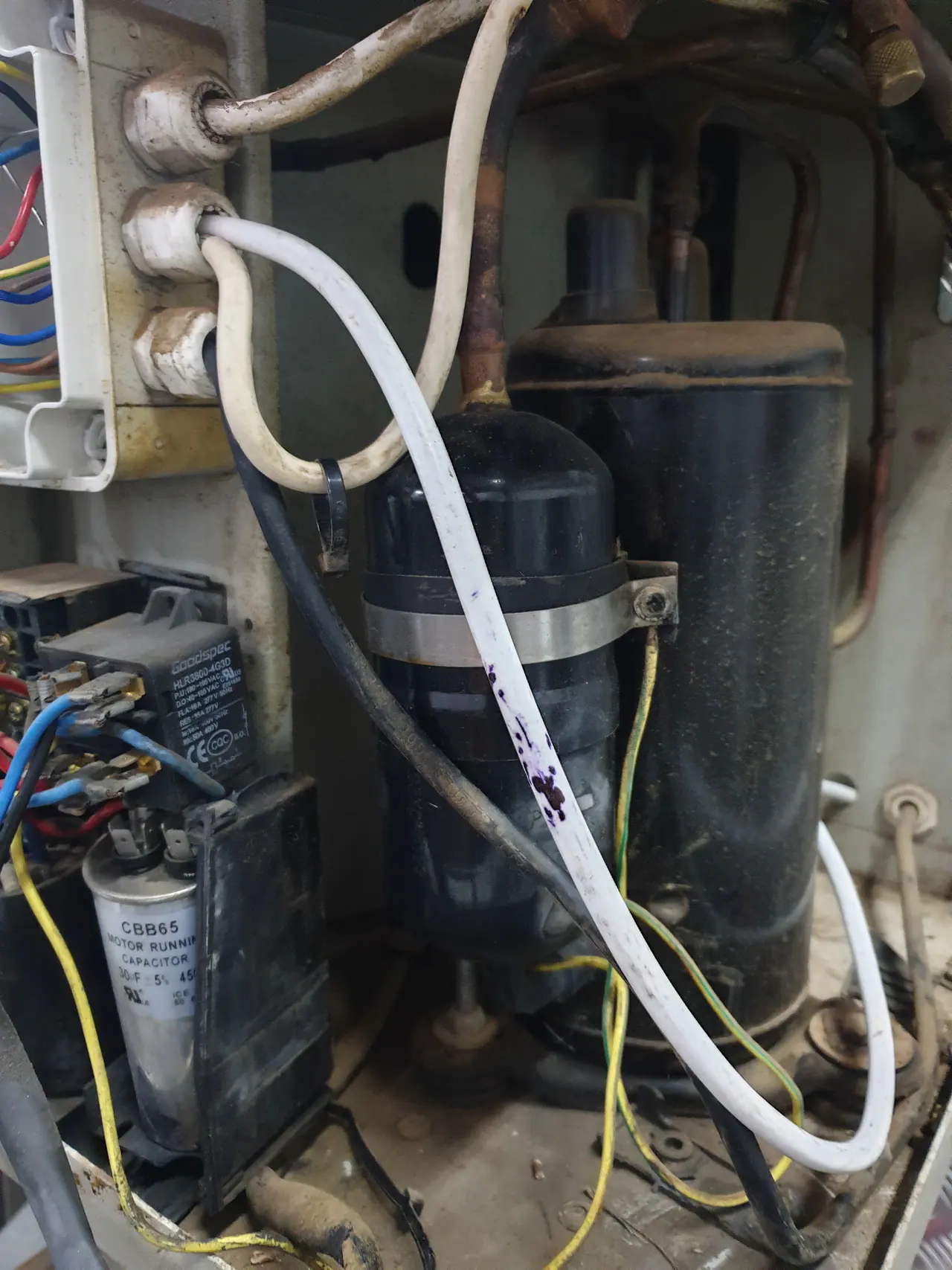
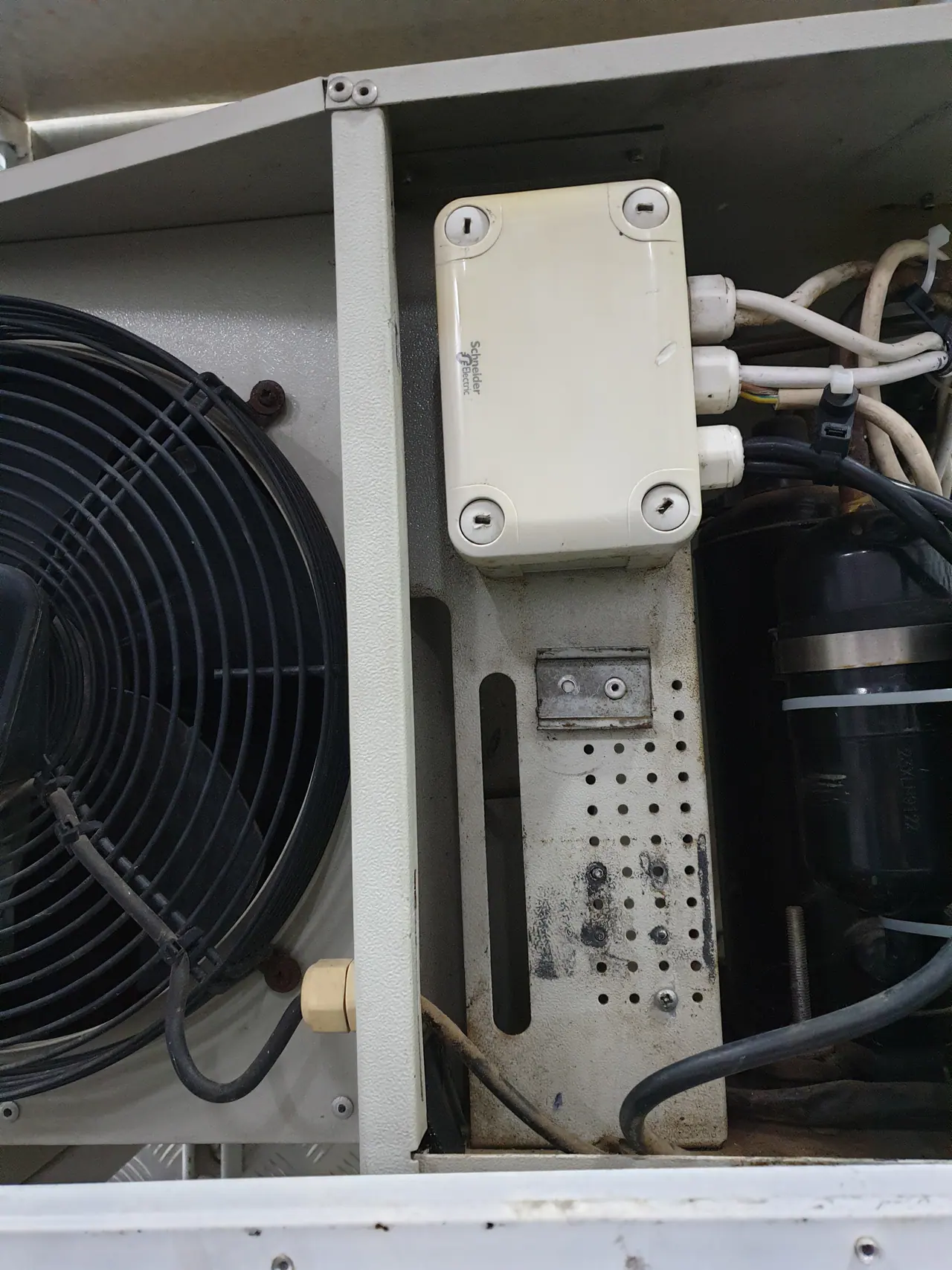
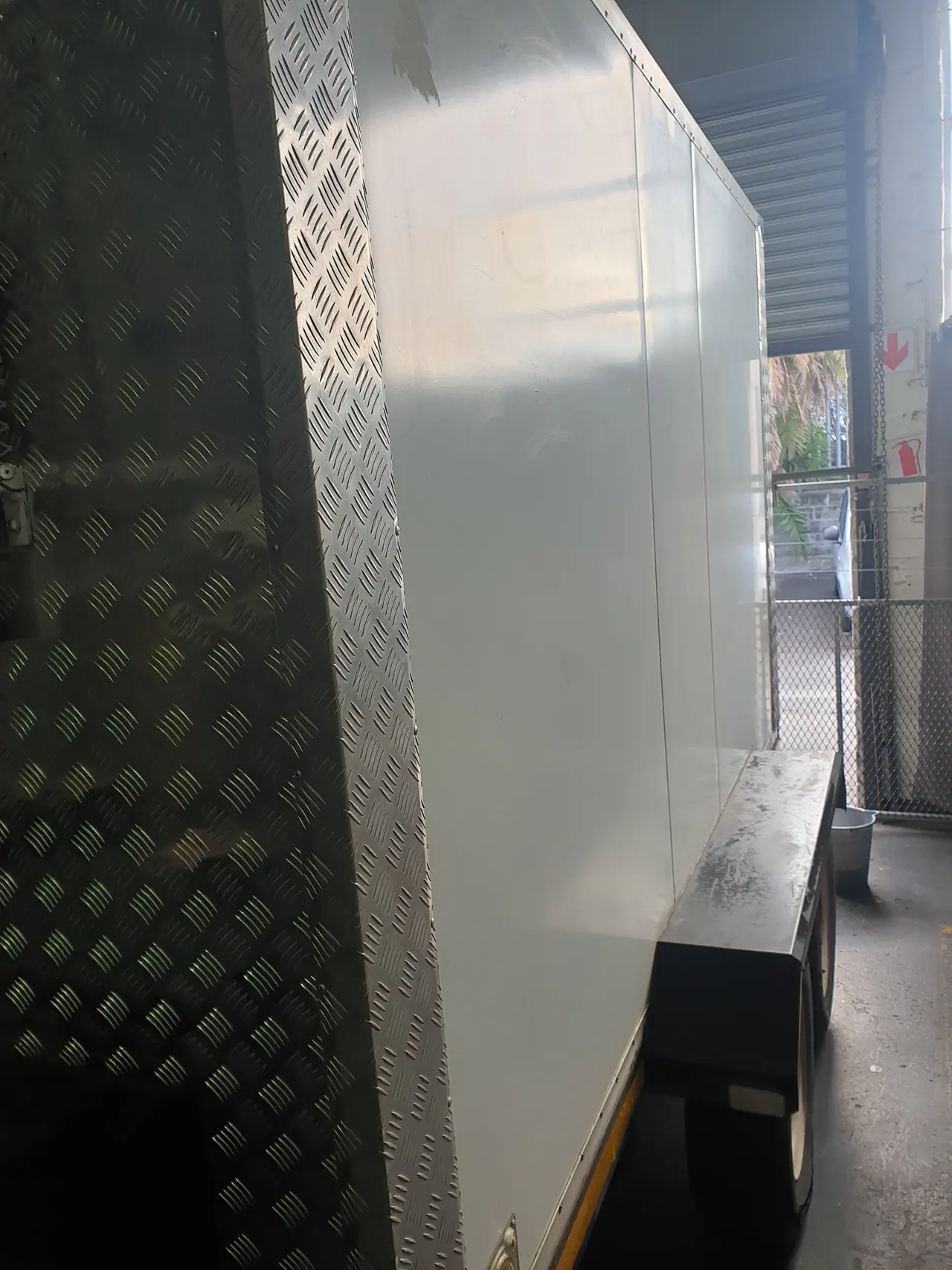
Repair request
Need trailer or commercial refrigeration checked?
Send the trailer type, controller reading, current box temperature, suburb and photos of the data plate or refrigeration unit. Fixakitchen can assess mobile refrigeration, cold rooms, freezers, chillers and commercial cold-side equipment in Cape Town.