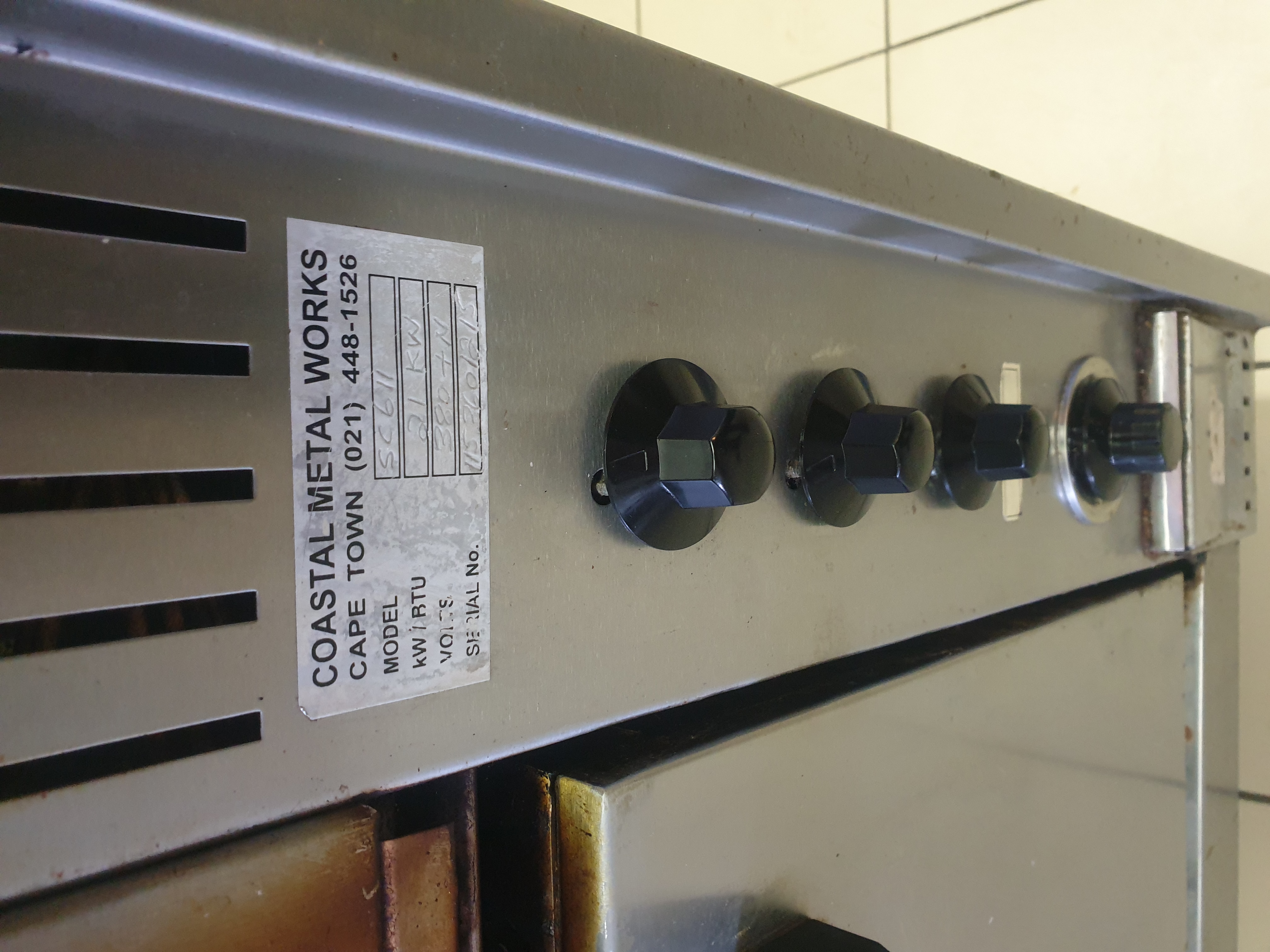
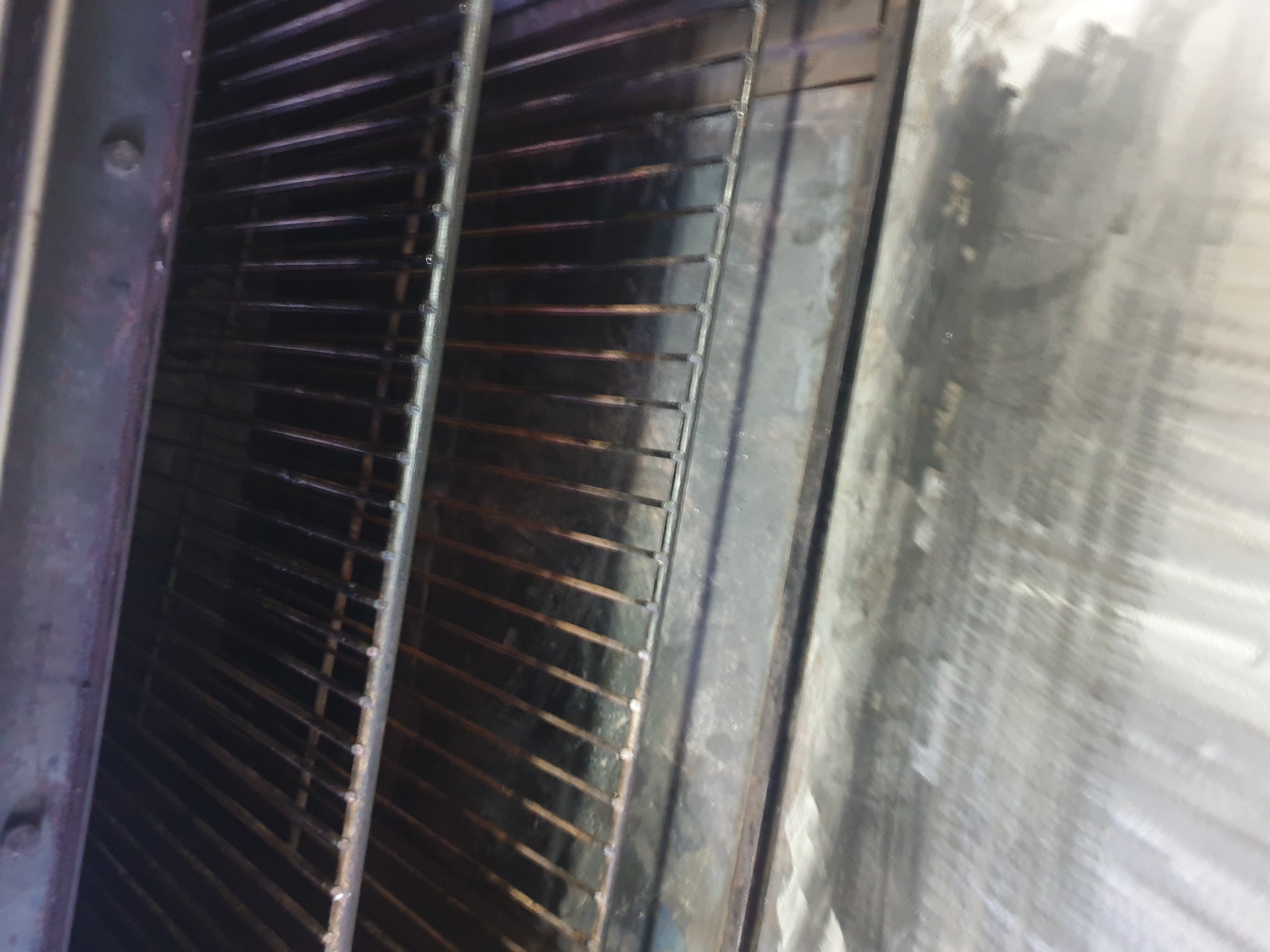
This is a heavy-duty commercial cooking unit with an oven cavity and a top grill or hotplate section. In a busy kitchen, this kind of unit carries repeated heat cycles, high current and long service hours, so the wiring and switching gear must be treated as part of the heat system, not just as background electrical parts.
 FixakitchenCommercial cooking equipment field notes
Commercial stove electrical repair
Commercial stove and top grill rewire
This repair was on a commercial cooking unit used as a stove, oven and top grill or hotplate section. The fault path was electrical: heat-aged wiring, terminal condition, contactors, insulation, control switching and safe load handling all had to be checked before the machine could be put back into service with confidence.
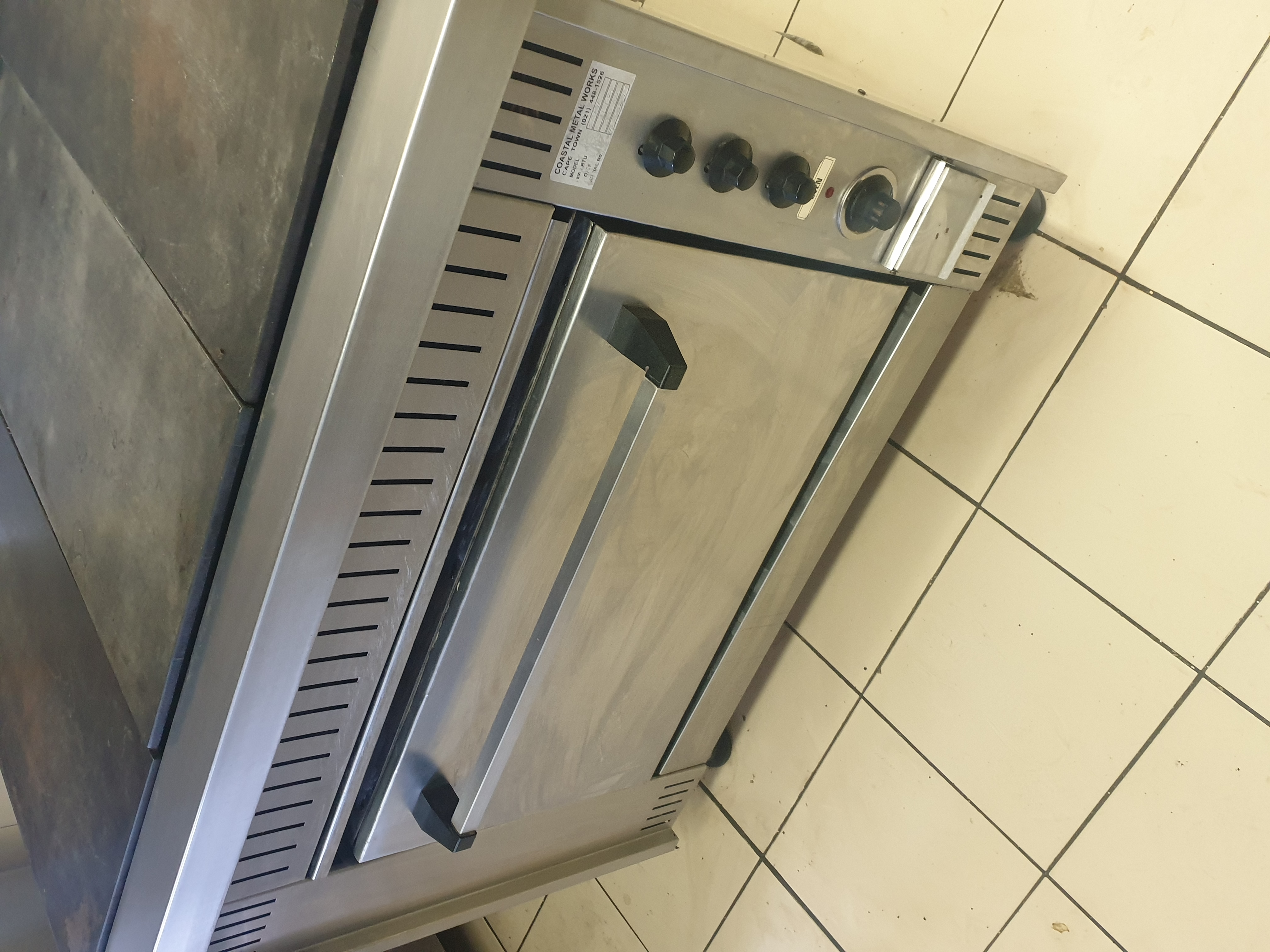
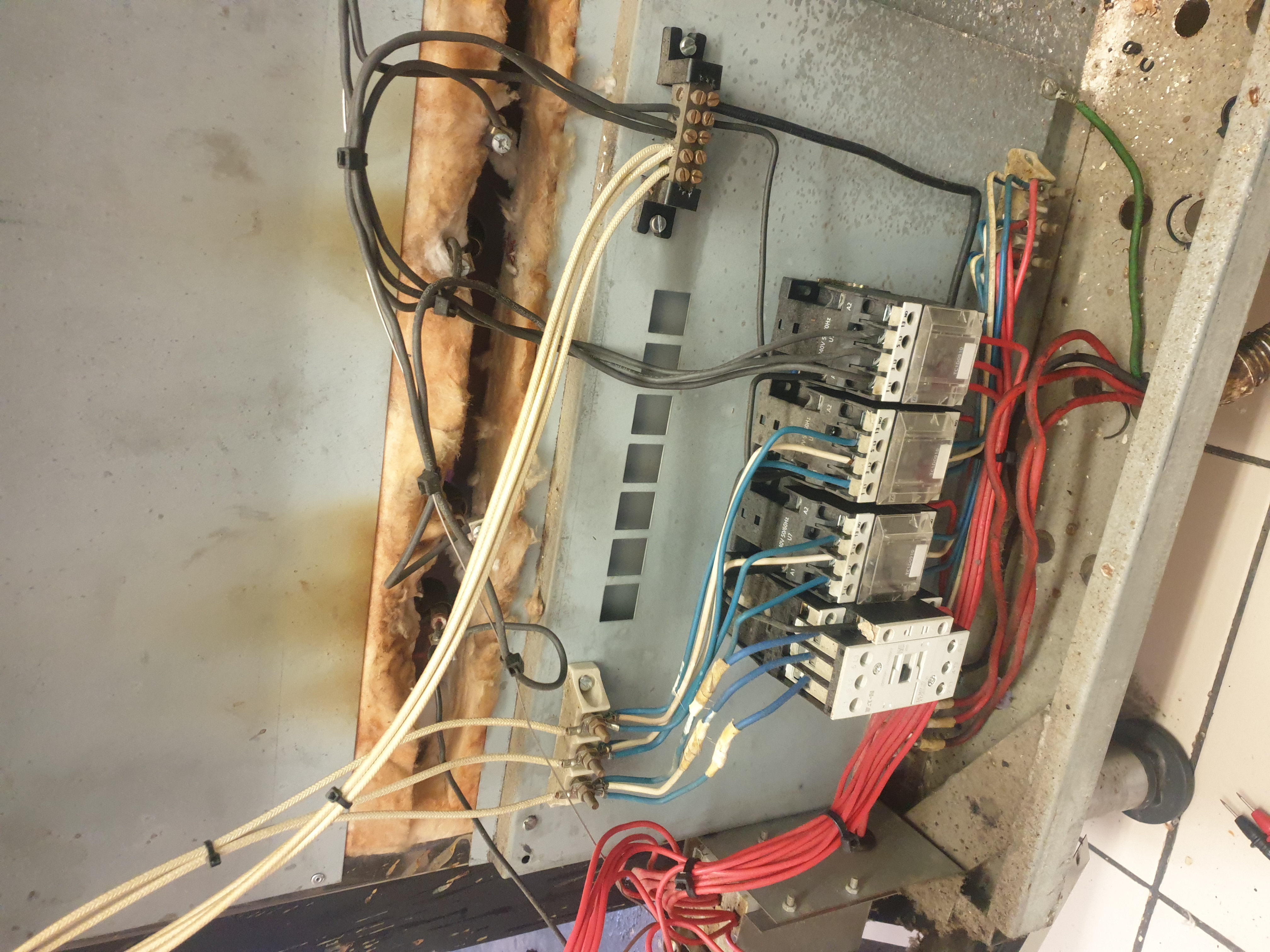
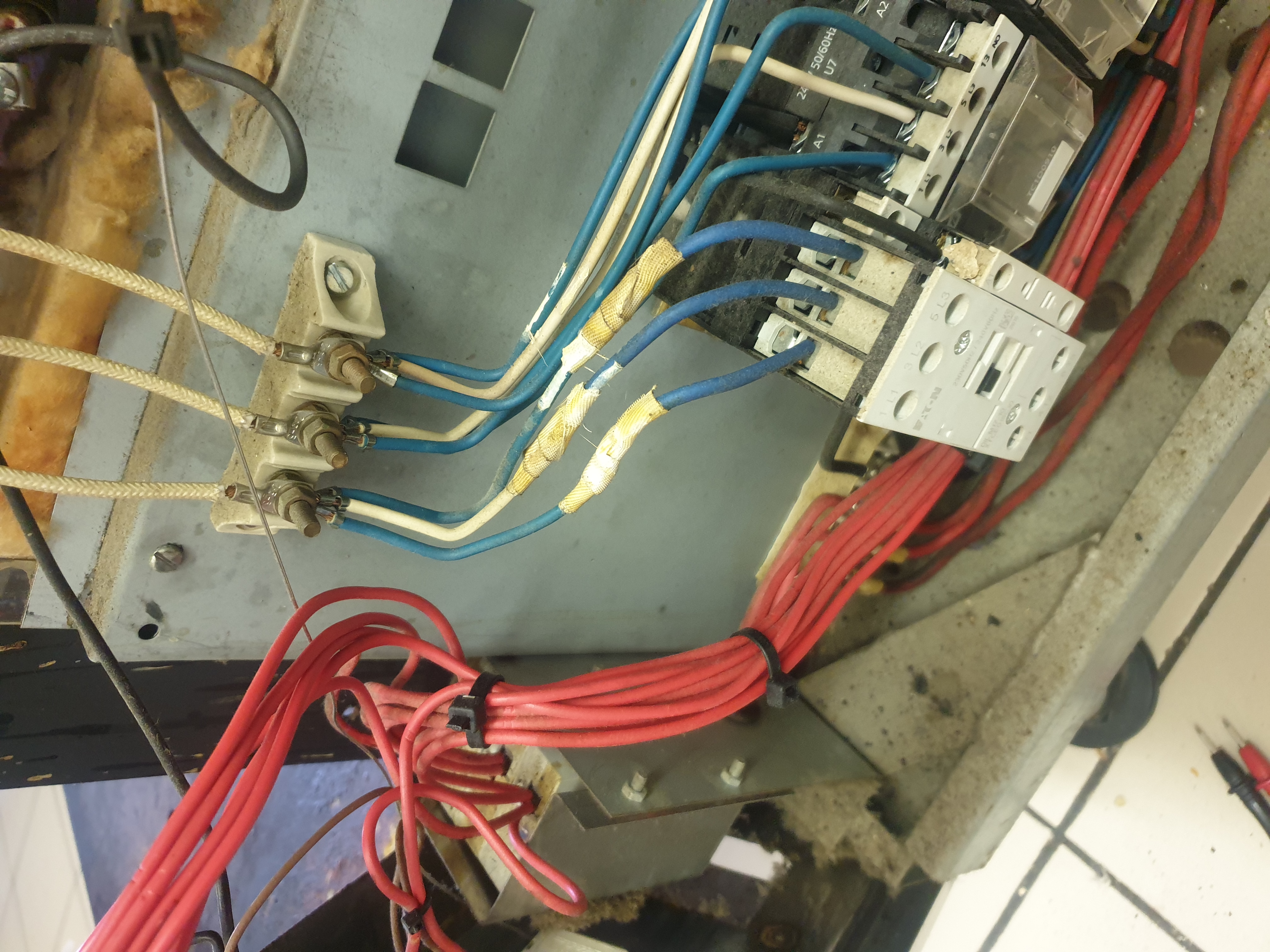
Commercial cooking equipment runs hot by design. Over time, heat, grease, vibration and repeated expansion can harden insulation, loosen terminals and stress old conductors. A proper rewire replaces weak sections, corrects unsafe routing and restores reliable current paths to the elements and controls.
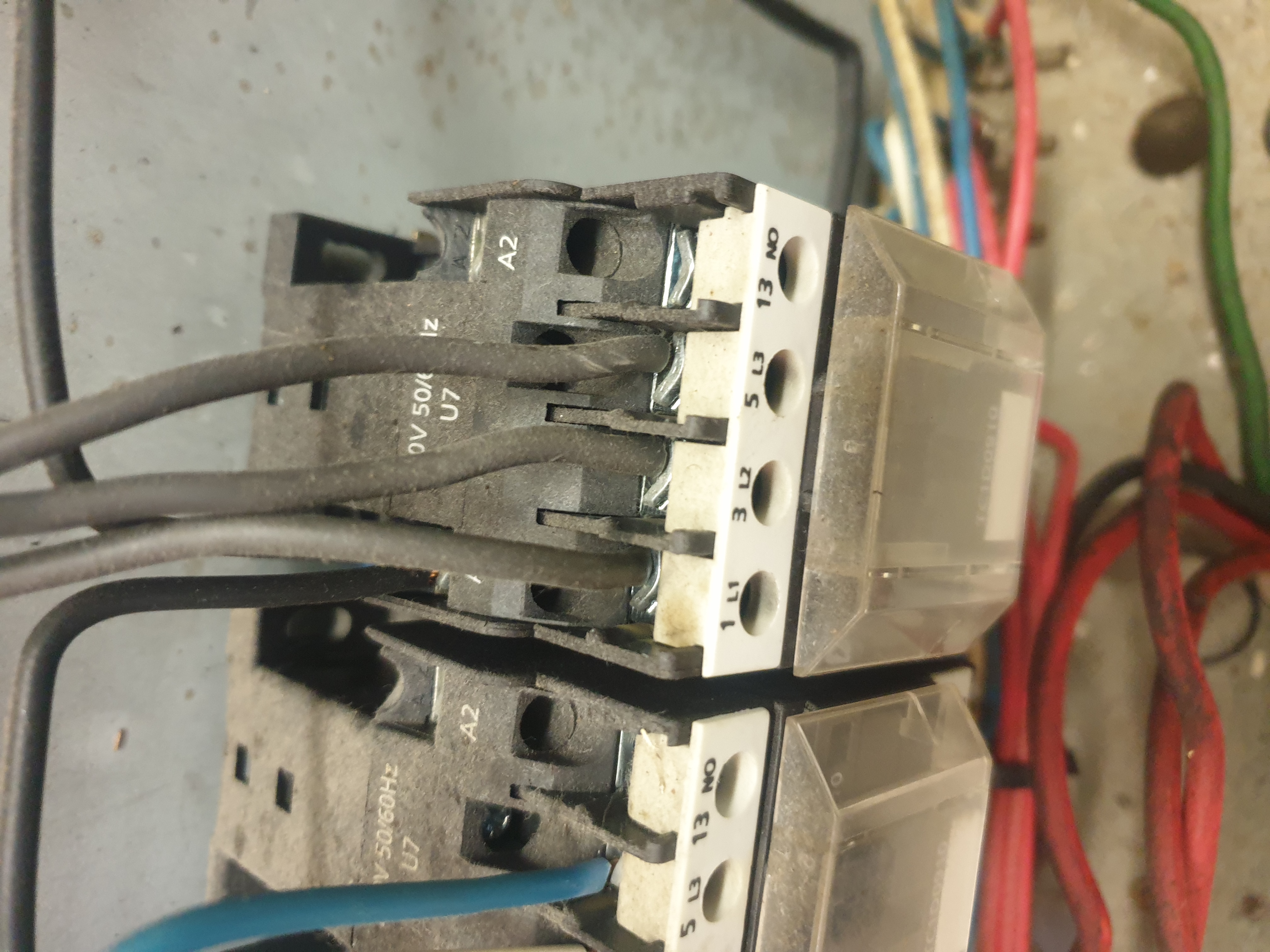
Contactors do the hard work of switching high-current heating loads. If contacts are burnt, coils are weak, terminals are loose or wiring is heat damaged, the equipment can heat unevenly, trip, fail to switch correctly or overheat the control compartment.
Ceramic terminals are used near heat because ordinary plastic parts would not survive. They still need clean, tight connections and correct conductor condition. A loose connection at a ceramic terminal can create local heat, arcing, voltage drop and repeat failure.
The insulation around the cooking chamber helps keep heat inside the oven and away from controls, wiring and the outer cabinet. When insulation is damaged, missing or contaminated, the electrical section can run hotter than it should and faults can return faster.
In service, these faults can show up as one section not heating, weak grill performance, nuisance tripping, burnt smells, slow recovery, inconsistent oven temperature or controls that seem unreliable. The repair has to solve the electrical cause, not only reset the symptom.
Cooking equipment repairs
Stove, oven or top grill not heating safely?
Send photos of the machine, the data plate, the controls and the fault symptom. Fixakitchen repairs commercial stoves, ovens, hotplates, griddles and other high-current cooking equipment in Cape Town.